Seven Typical Factors Individuals Get Skin Tags Eliminated
What Are Skin Tags? Causes And Therapy Options
It makes sure the skin tag is completely eliminated with minimal risk of infection, irritation, or visible scarring. Skin Tags (acrochordons) are benign skin developments that influence regarding fifty percent of all adults. Physicians aren't certain simply what creates them, but skin rubbing can contribute.Skin tag elimination can be done clinically (invasive) or making use of holistic drugs. Clinical removal is extremely basic if it is carried out in the medical professional's office. Linking a medical string to cut the blood flow that is supplied to the skin tag can also treat the extending skin. It will at some point eliminate the skin tags and they will diminish. The qualified natural formula consists of Northern White Cedar both in important form and homeopathically. This functions to dry skin tags when used topically while sustaining the immune system.
Threat Variables For Skin Tags
- Periodically, the constant friction in between the garments and the skin tag can create bleeding or itching.
- These range from applying apple cider vinegar or garlic to the tag, to linking it off with dental floss.
- Individuals frequently report that skin tags capture on clothing or jewelry, such as necklaces.
- It is typical to have between 10 and 40 moles by their adult years.
- What to Anticipate Throughout RemovalSkin tag elimination at MDCS Dermatology is commonly done in‑office with topical or neighborhood anesthetic for comfort.
- Light inflammation or tenderness may occur however resolves rapidly with correct treatment.
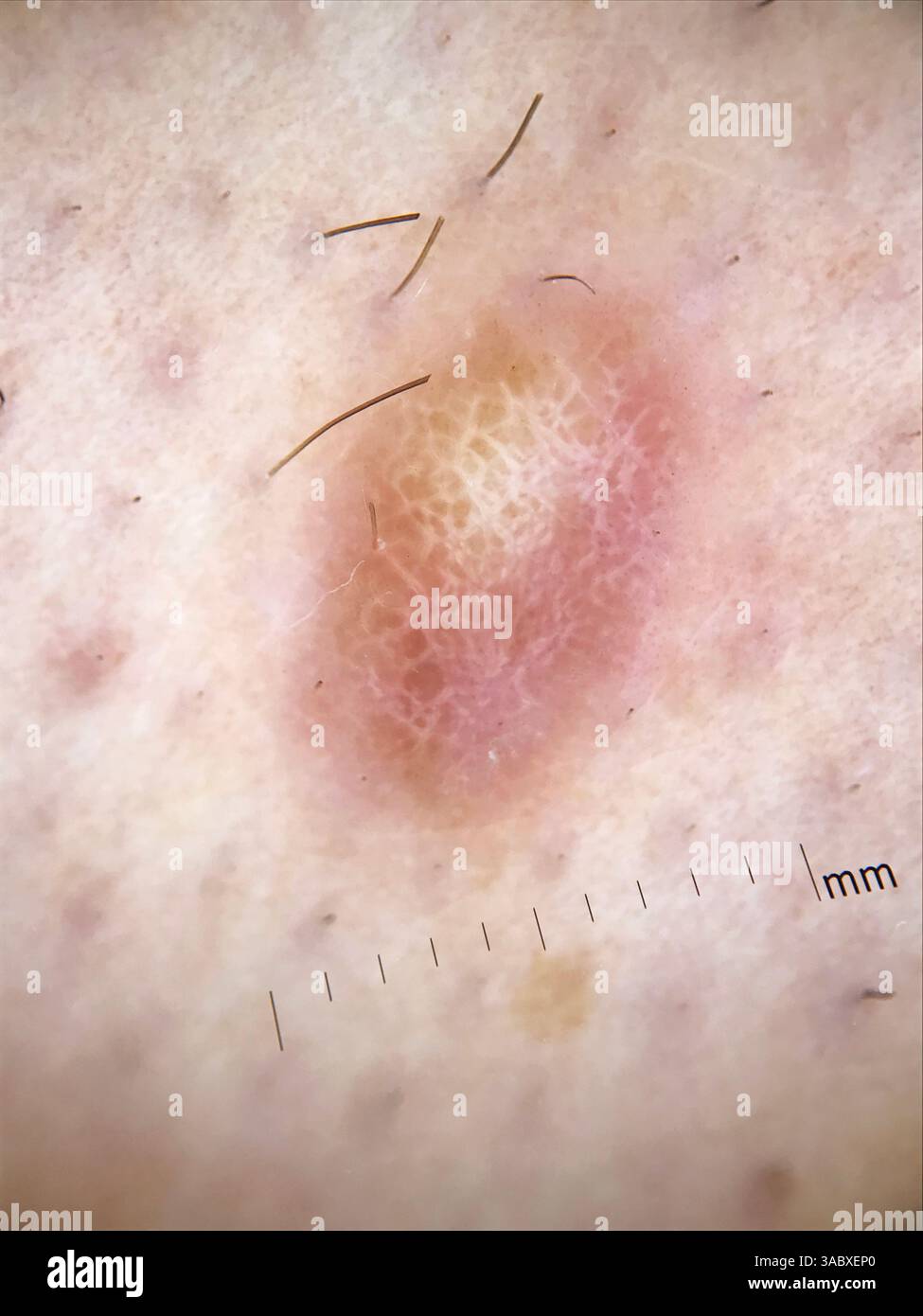
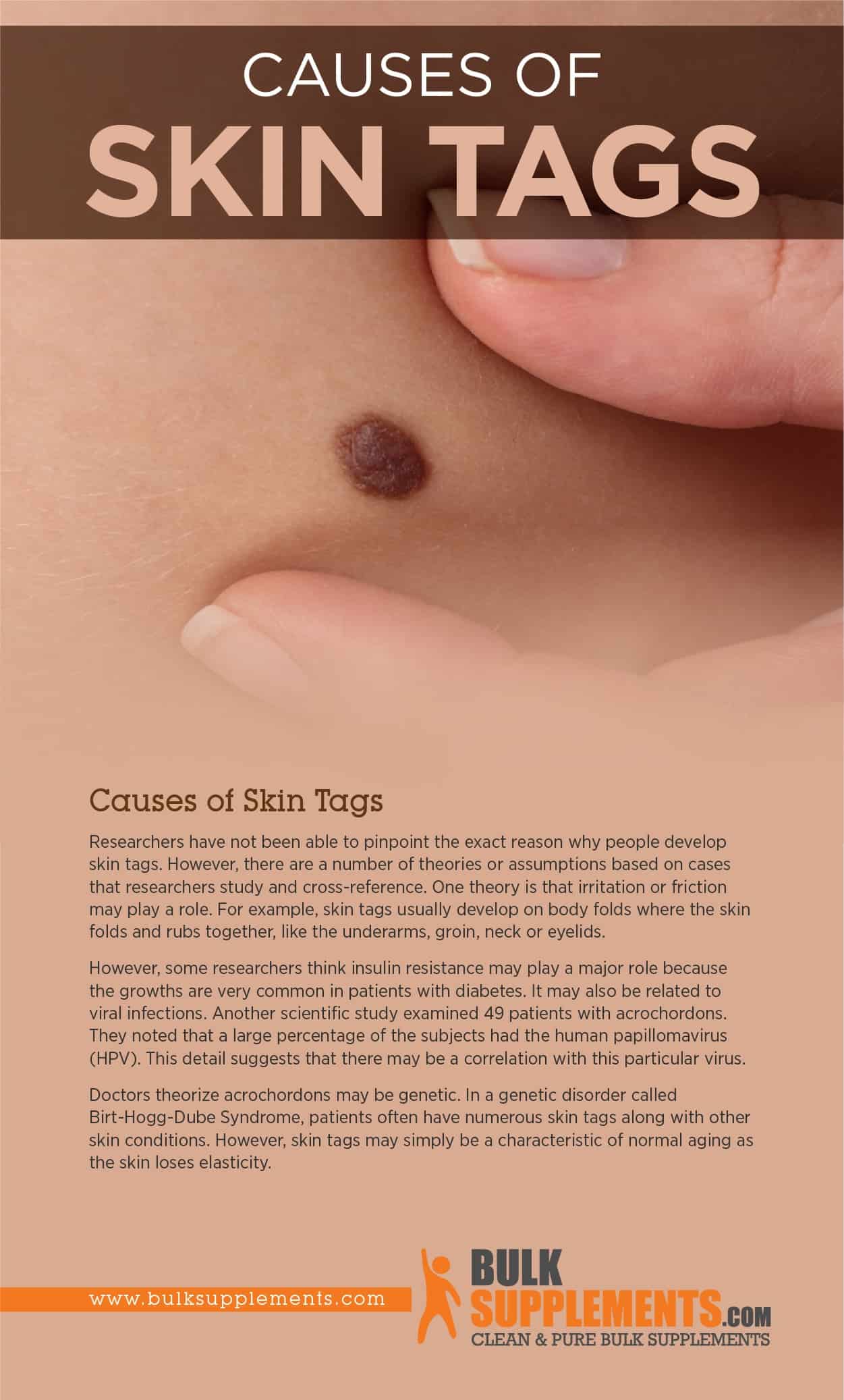
Removal of skin tags is a simple procedure when carried out by experienced clinicians. Nonetheless, the client must be encouraged to take on way of life adjustments. A dermatology specialized-- qualified registered nurse is a vital asset in preparing the patient, aiding throughout the treatment, taking care of the individual postoperatively, and offering individual counseling. [newline] The medical professional or specialist and the nurse requirement to operate as an interprofessional healthcare group to maximize client results in these cases. As previously mentioned, numerous kinds of harmful skin cancers may show up similar to skin tags.
What Color Are Skin Tags?
This is uncommon, however if you see quick modifications in addition to other symptoms (such as inexplicable weight reduction or fatigue), you should speak with a doctor without delay. It's important to recognize the distinction between harmless skin tags and skin cancer. Skin cancer cells sores may have uneven forms or colors and can hemorrhage. While skin tags are not hazardous, lots of people choose to eliminate them for aesthetic factors or pain. At any time a mole seems to alter or end up being irregularly colored, see your skin specialist.